Built from the Land
Curly Pine in The Cady House
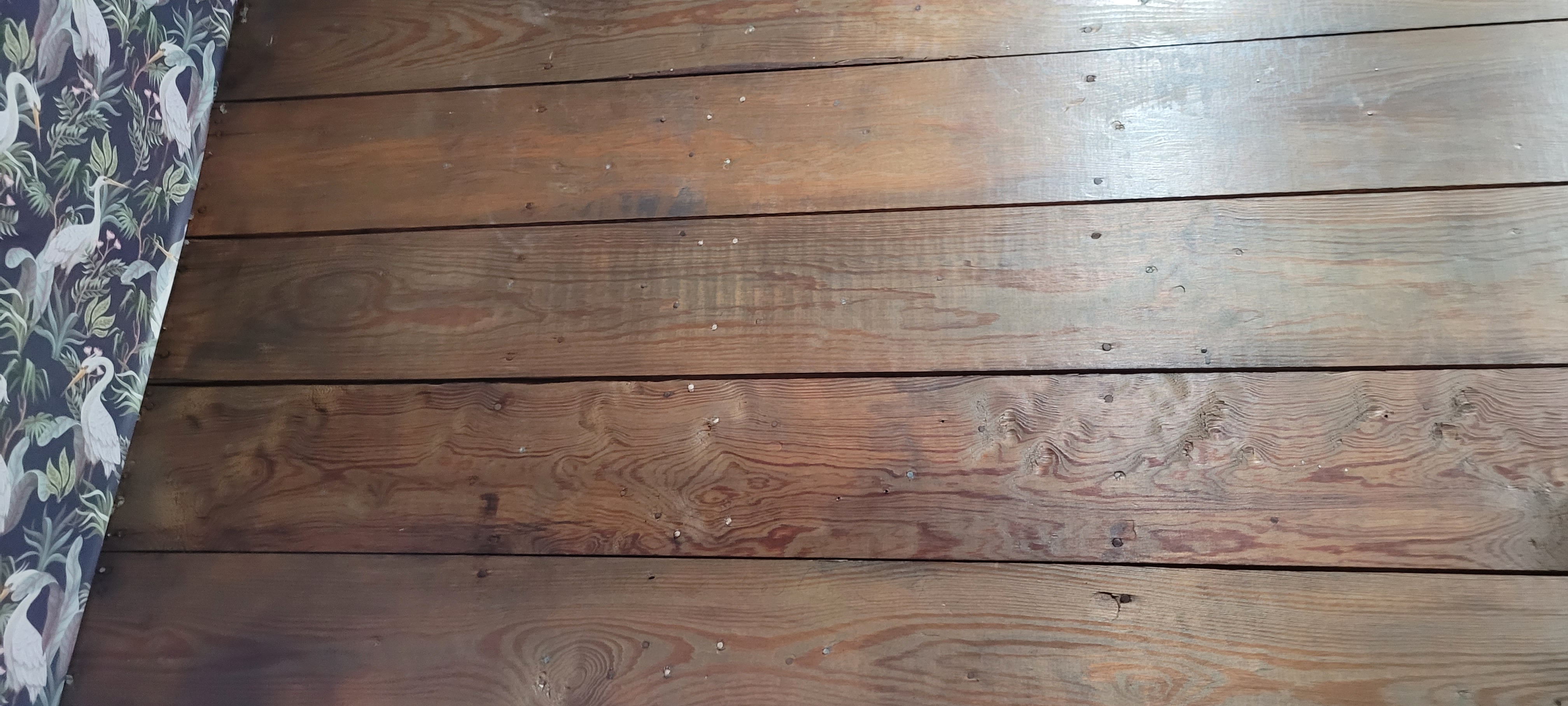
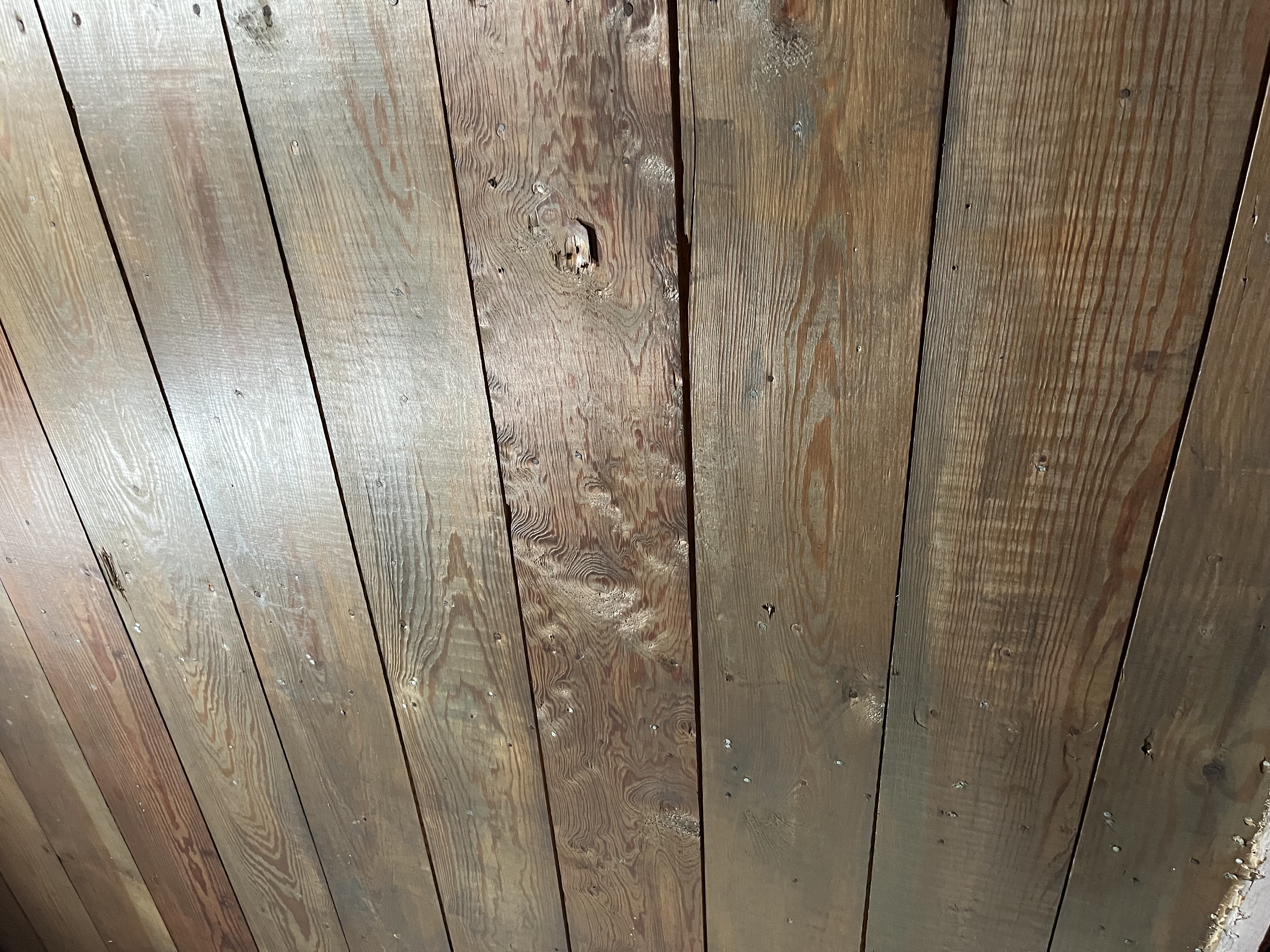
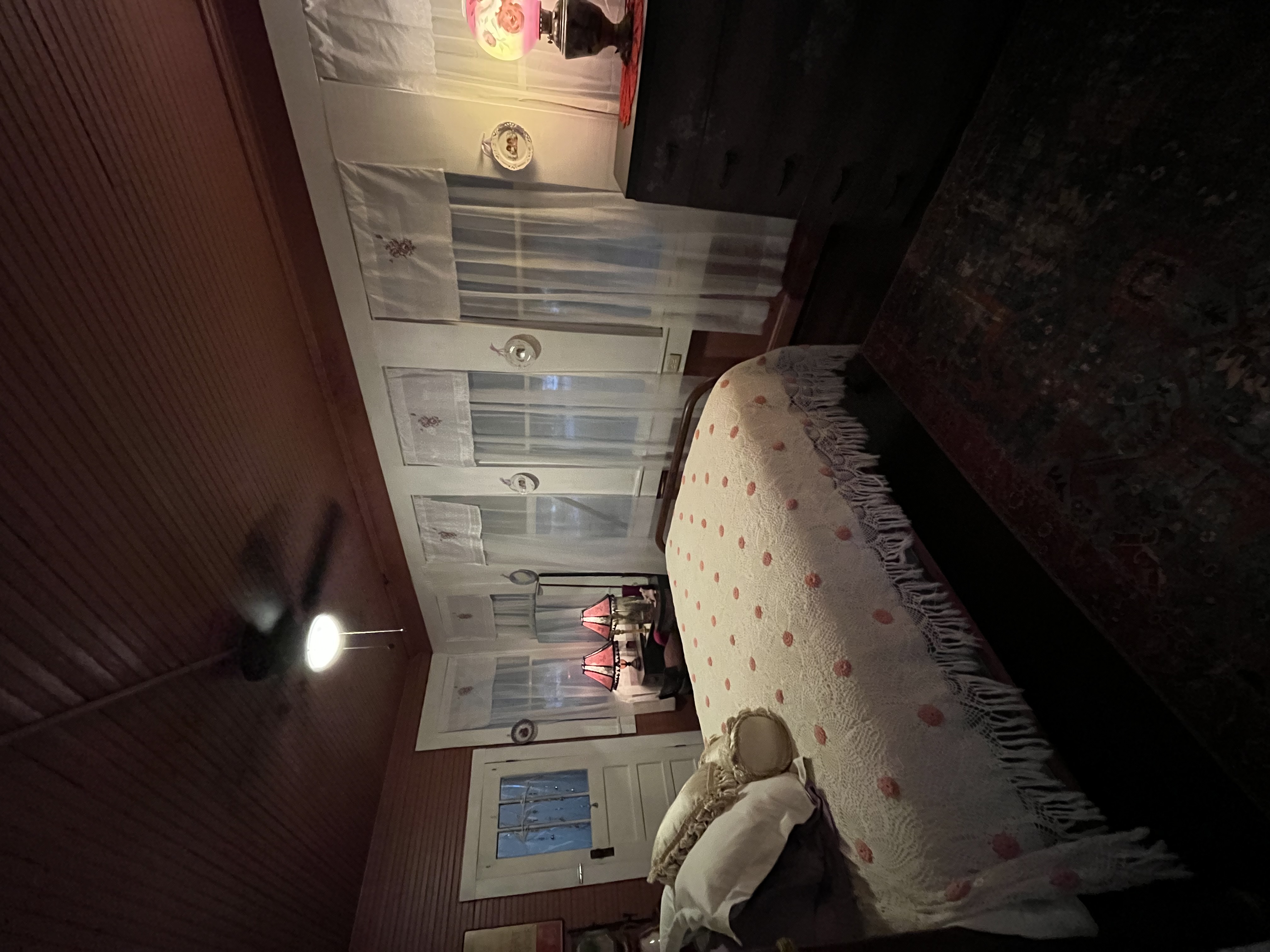
One of the most remarkable features of The Cady House is its extensive curly-pine woodwork. Found throughout the home, this rare figured lumber reflects both the extraordinary forests that once covered Louisiana and the exceptional craftsmanship of the state's great lumber era.
What Is Curly Pine?
Curly pine is not a separate species of tree. Instead, it is pine lumber with a naturally occurring wavy grain pattern known as figure.
As light moves across the wood, the changing direction of its fibers causes the surface to shimmer and appear almost three-dimensional. This optical effect, known as chatoyance, has been compared to rippling water, tiger stripes, and the distinctive figure found in curly maple. No two boards are exactly alike, making each piece a natural work of art.
A Product of Louisiana's Old-Growth Forests
The curly pine found in historic Louisiana homes typically came from old-growth southern yellow pine, particularly longleaf pine. These magnificent trees grew slowly for generations, producing dense, resin-rich heartwood prized for its strength, durability, and warm amber color.
What made curly pine truly special was its rarity. The figured grain was completely unpredictable—a tree could appear perfectly ordinary until it was sawn into boards, revealing dramatic waves hidden beneath the bark. Because only a small percentage of harvested trees displayed this unusual figure, curly pine was reserved for a home's finest architectural features.
A Showcase of Craftsmanship
During Louisiana's lumber boom, curly pine became one of the region's most sought-after finish materials. It was commonly used for:
- Wall and ceiling paneling
- Doors and mantels
- Staircases and decorative posts
- Window and door casings
- Moldings and architectural trim
- Cabinetry and fine furniture
A Louisiana publication promoting the state's timber industry praised polished curly pine as exceptionally beautiful, even comparing its appearance to mahogany. The wood was prestigious enough to be featured in Louisiana's forestry exhibit at the 1904 Louisiana Purchase Exposition in St. Louis, showcasing the beauty and quality of the state's forests to a national audience.
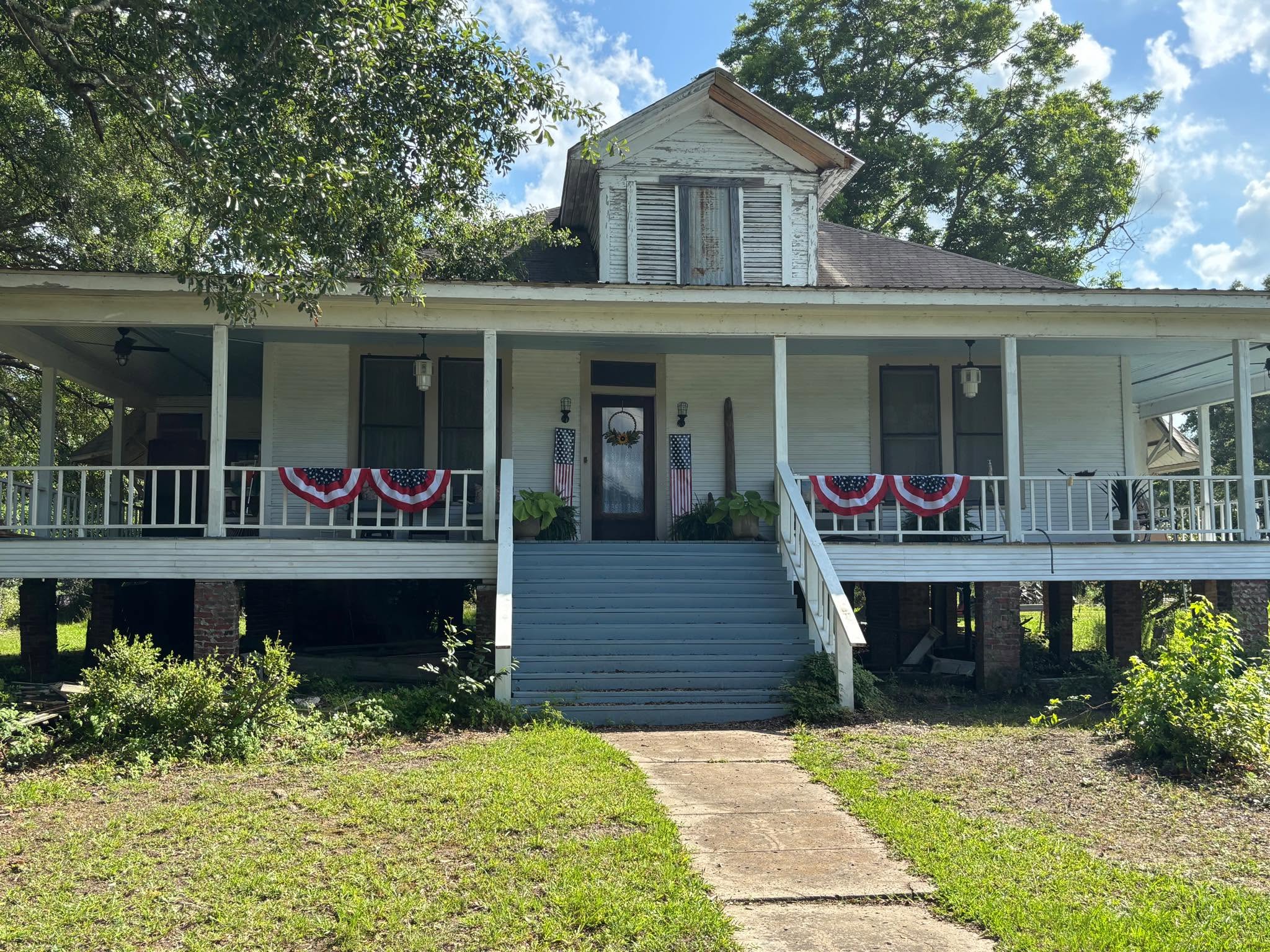
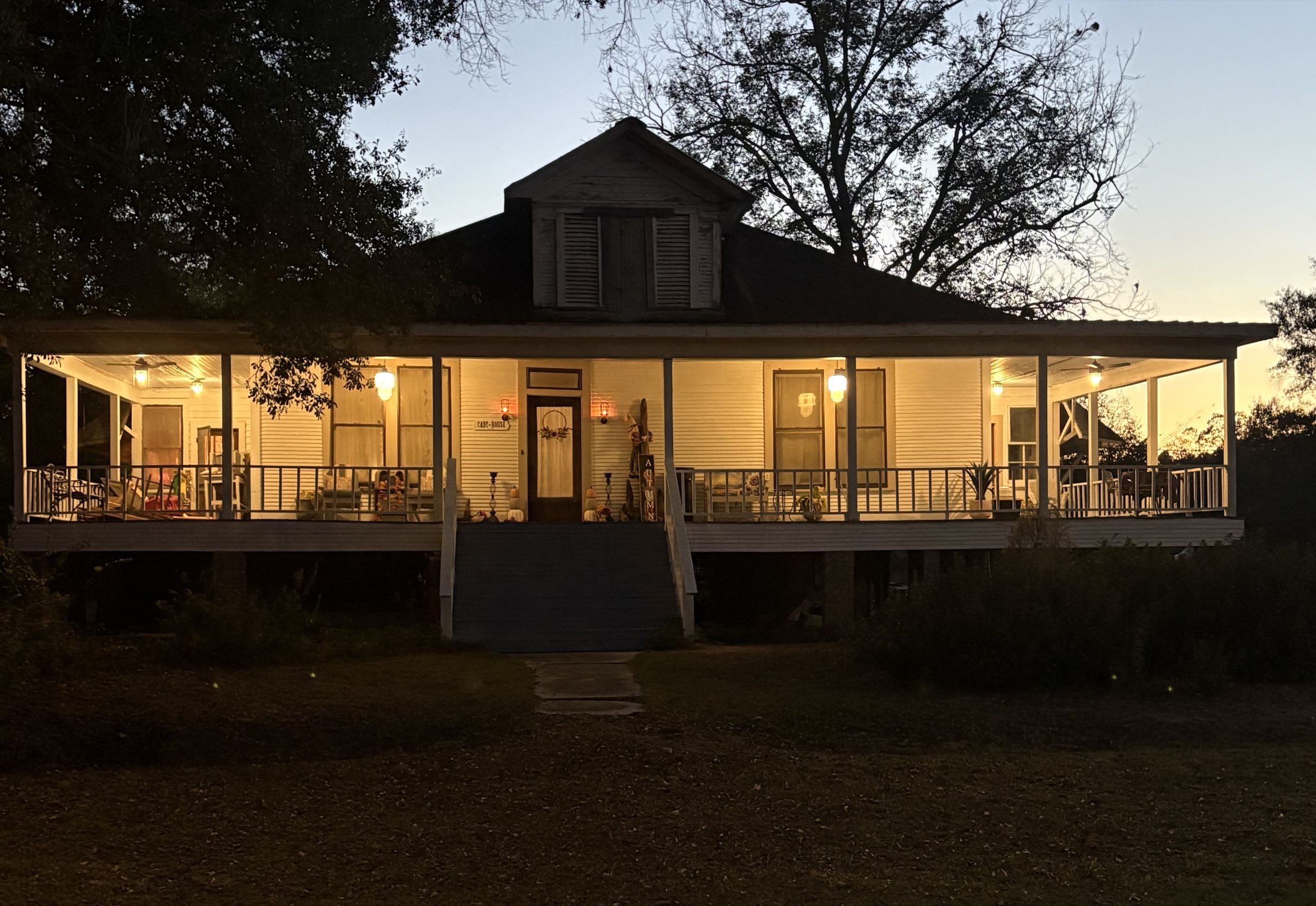
Because of its rarity and visual appeal, the finest curly pine was often reserved for the homes of lumber-company owners, managers, and other prominent residences. Historic examples still survive in a handful of Louisiana lumber communities, making the extensive curly-pine woodwork in The Cady House an increasingly uncommon treasure.
A Living Piece of Louisiana History
Today, authentic old-growth curly pine is extraordinarily rare. Most of Louisiana's original longleaf-pine forests were harvested during the late nineteenth and early twentieth centuries, and the towering trees that produced this remarkable wood have largely disappeared.
The curly pine preserved throughout The Cady House is more than a beautiful decorative feature. It is a tangible connection to Louisiana's vanished forests, the craftsmen who transformed raw timber into works of lasting beauty, and the remarkable history of the lumber industry that gave rise to communities like McNary.
More than a century after these boards were milled and installed, their shimmering grain continues to tell the story of the forests—and the people—that shaped this remarkable home.